
3 March 2026
10 Essential Tips for Flying with Toddlers and Young Children
Worried about how your toddler will fare up in the air flying? Read on for our essential tips from packing to landing.
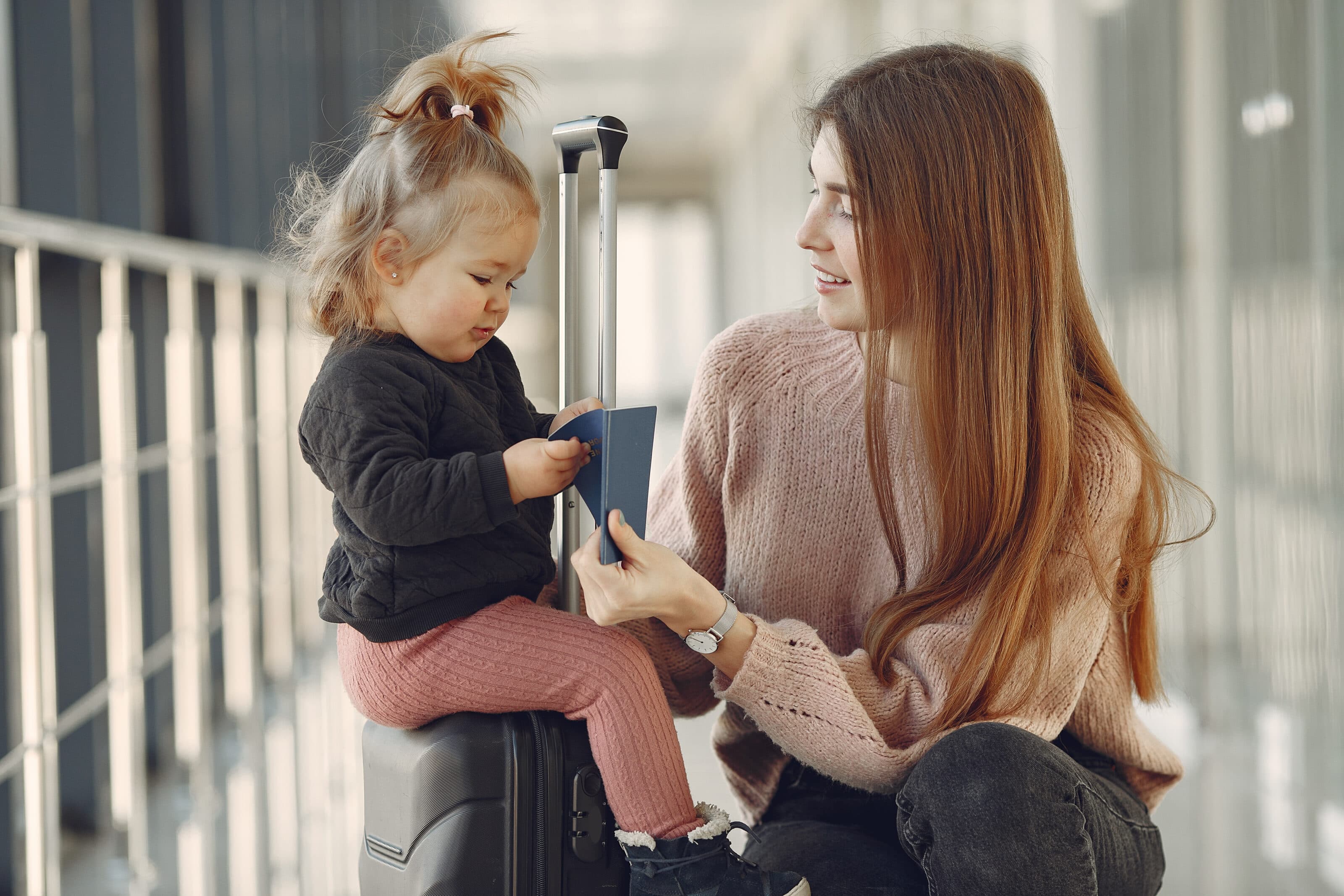
Worried about how your toddler will fare up in the air flying? Read on for our essential tips from packing to landing.
Flying with a toddler can feel overwhelming. You’re juggling snacks, sleep schedules, documents, and the unpredictable emotions of a small human who may or may not want to wear shoes that day.
But here’s the upside: toddlers are adaptable. With the right preparation, clear expectations, and a few strategic distractions, you can turn a stressful trip into a manageable, even joyful, experience. However, there are some game-changing tips when it comes to flying with toddlers that can be the difference between a stressful experience and a happy, unforgettable time.
We’ve compiled 10 essential tips for flying with toddlers to make the experience as smooth as possible.
1. Plan Your Flight
Preparation isn’t just helpful. It’s essential.
When it comes to flying with a toddler, your experience starts long before you reach the airport. It’s the little things that make the world of difference and decisions that may not have seemed vital when flying without children are now some of the most important choices you can make.
Choose the Right Time to Fly
- Morning flights often work best for toddlers who wake early and are happiest before midday fatigue sets in.
- Red-eye flights can work for strong sleepers but be realistic about whether your child sleeps well outside their own bed.
- Avoid tight connections if possible. Extra layover time = less stress.
If you’re flying internationally from hubs like Sydney Airport or Melbourne Airport, allow additional buffer time. These airports are large, busy, and walking distance between gates can be significant.
Consider Booking an Extra Seat
Children under two can sit on your lap, but on longer flights, booking a separate seat (with an approved car seat) can be a game changer.
Benefits include:
- More space to spread out
- Safer sleep setup
- Less wrestling during meal service
For long-haul flights from Australia which are often 8+ hours that extra seat can feel priceless.
Pick a Family-Friendly Airline in Australia
Some airlines go the extra mile for families flying with a toddler and will not only be more accommodating but also more prepared to help support you and your child.
- Qantas: Offers bassinets on long-haul flights, kids’ meal options, and family boarding.
- Virgin Australia: Family boarding and flexible fare options.
- Jetstar: Budget-friendly, but extras (meals, seat selection) need to be pre-booked.
Prior to booking with an airline, always check:
- Bassinet eligibility (usually weight-restricted)
- Baggage allowances for prams
- Car seat policies
2. Packing Essentials: The Toddler Travel Checklist
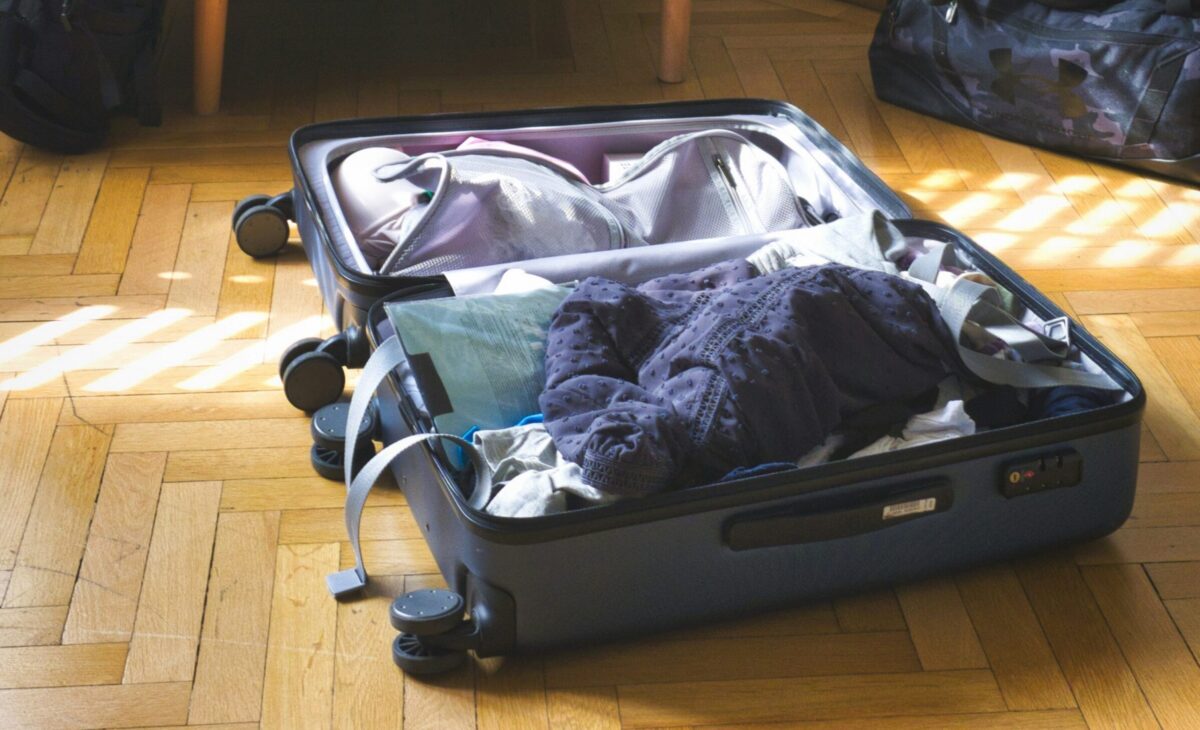
When flying with a toddler, overpacking strategically is better than underpacking. Rather than throwing things into your luggage the night before your flight, planning will pay off dramatically when you are on the flight and in the air. To make things easier for you, we’ve comprised a checklist of packing tips for your toddler.
Documents
- Passport (for international travel)
- Boarding passes
- Medicare card
- Travel insurance details
Clothing
- 2–3 spare outfits (accidents happen)
- Layers for fluctuating cabin temperatures
- Lightweight blanket
Food & Drink
- Spill-proof water bottle (empty through security)
- Familiar snacks (think rice crackers, fruit pouches)
- Backup emergency snack stash
Sleep Support
- Comfort toy
- Small pillow
- White noise app downloaded offline
Snacks: Your Secret Weapon
Airplane meals aren’t always toddler approved, nonetheless food that is both delicious and nutritious. In toddlerhood, this combination is vital. Bring food that is:
- Non-messy (cut fruit or cheese cubes)
- Easy to chew (mini sandwiches or crackers)
- Familiar
3. Hydration and Comfort
Long-haul flights from Australia can mean 10+ hours confined. The environment is often quite dry when flying, so hydration is key. What’s more, ensuring your toddler is as comfortable as possible can greatly help reduce overall discomfort.
- Offer water regularly.
- Encourage movement when safe.
- Keep them comfortable in soft layers.
4. Navigating the Airport
Even when travelling without children, airports can be an overwhelming location. They are busy, filled with lots of loud noise. Of course, then there is the challenge of trying to find the correct gate, which can be confusing at the best of times. As such, here are some measures you can take to maximise success.
Arrive Early: For domestic flights, arrive at least 90 minutes early. For international flights, aim for 3 hours.
This gives you time for:
- Toilet breaks
- Unexpected meltdowns
- Security delays
Use Family Facilities: Major Australian airports like Brisbane Airport and Perth Airport offer:
- Parents’ rooms
- Family security lanes (at select terminals)
- Play areas
Use them. Play areas are a fantastic way to help your toddler burn some energy before the long flight (which hopefully means they’ll sleep). Family security lanes have particular assistance for items such as prams, while also being less busy.
5. Getting Through Security
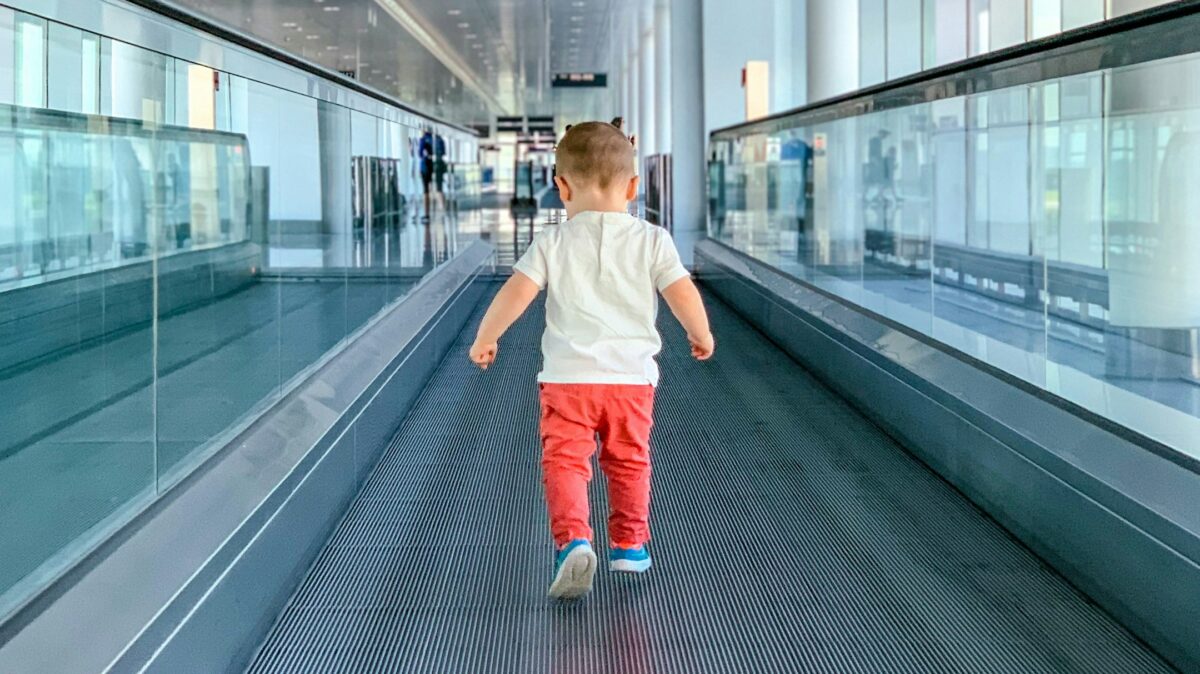
While the airport is a tricky place to navigate with a toddler, security is a particularly hard section to make it through. As a parent, you’re already under the stress of ensuring you have all the correct documentation, that everything is packed correctly and of course, that there is nothing in your luggage that isn’t permitted.
With long lines at times, patience can be tested and of course, those big screening machines may be intimidating to your toddler. Tips for smoother screening:
- Wear slip-on shoes for yourself and your toddler.
- Keep liquids within regulation limits (100ml for carry-on).
- Remove toddlers from prams before screening.
- Place snacks and electronics in accessible compartments.
Remember to try your best to stay calm. Toddlers feed off your energy.
6. Australian Regulations You Should Know
When flying domestically within Australia, toddlers don’t typically require ID. However, travelling internationally or to part so the world also brings with it very different rules that must be abided by.
- For international travel, they require a valid passport.
- Some destinations may require vaccination documentation.
- Letters of consent may be needed if only one parent is travelling internationally.
Check the Australian Government’s travel advisory site before departure, especially for international routes.
7. On the Plane: Flying with your Toddler
Now comes the main event: actually flying with a toddler. You’ve gone through the airport, packed and prepared as much as you can, but here lies the biggest part of flying with a toddler. The flight itself.
Takeoff and Landing
Pressure changes can hurt little ears and be a very new and unfamiliar sensation. One that could cause distress and discomfort. Swallowing helps equalise ear pressure. Try:
- Breastfeeding or bottle feeding
- A snack that encourages chewing
- A dummy/pacifier
8. Entertainment Strategy
Many airlines provide free children’s packs that might contain some activity books and small toys. If you’re not sure, it never hurts to ask your flight attendant.
Additionally, while too much screen time can impact toddlers long-term, the occasional longer stint isn’t the end of the world. Especially if it keeps your toddler calm and you sane on a long flight! If you find your toddler loves watching educational YouTube videos or colouring in on an iPad, try not to feel guilty, just be sure to bring toddler-friendly headphones.
If your child is using your phone, ensure that they do not have access to social media or if they do, learn how to keep them safe.
Particularly on a long flight, keeping your toddler entertained when and if they’re not sleeping is vital. Rotate activities every 20–30 minutes:
- Snack break
- Sticker activity
- Walk up and down the aisle
- Short show on tablet
Novelty works. That $2 toy you packed. Suddenly the most exciting object in the world.
9. Handling Delays and Emergencies
Delays happen. Particularly in peak Australian holiday seasons. While frustrating, it’s important to keep calm and composed as to not add extra distress to your toddler when flying. Prepare by:
- Packing extra snacks
- Having spare nappies
- Keeping one new toy in reserve
If your toddler gets sick mid-flight:
- Alert cabin crew immediately.
- Use your travel insurance if medical care is needed on arrival.
- Keep essential medications in carry-on luggage.
Travel Insurance: Non-Negotiable
Toddlers are unpredictable. Insurance provides peace of mind. When flying with a toddler internationally from Australia, comprehensive travel insurance is essential. It covers:
- Medical emergencies
- Cancellations
- Lost luggage (including prams)
10. Managing Jet Lag (Australia Edition)
Australian travel often involves major time shifts. Europe and North America can mean 8–15-hour differences.

Jetlag is never pleasant even for adults who know what to expect and what is happening. For a toddler, this change in day and time can be even more troublesome.
Before You Fly
- Gradually shift bedtime by 15–30 minutes daily (if possible).
- Ensure your toddler is well-rested before departure.
During the Flight
- Adjust watches and devices to destination time.
- Encourage sleep aligned with destination night-time.
On Arrival
- Get outside in natural sunlight.
- Stick to local meal times.
- Expect 2–4 days of adjustment.
Flying east (e.g., Australia to the US) is often harder than flying west. Be patient, toddlers usually adapt faster than adults.
Talk to Your Toddler Beforehand
As is the case with many toddlers’ outbursts, much of the anxiety arises from experiencing something unexpected. Therefore, if you leave your toddler in the dark, they won’t be mentally or emotionally prepared for the experience.
Instead, have a sit down and talk with your toddler about exactly what to expect. Map out the journey from packing to landing. It’s a pretty exciting and amazing experience for toddlers, so try and lean into the fantastical and exciting elements. Picture books are a handy way to build on the discussion and spark excitement:
- Maisy Goes by Plane by Lucy Cousins
- Hello World! Planes and Other Flying Machines by Jill McDonald
- Where Do Jet Planes Sleep at Night by Brianna Caplan Sayres
- Little World: At the Airport by Ladybird
Ultimately, flying with a toddler doesn’t need to come with all the stress. With proper preparation, the right mindset, and plenty of patience, you can give your family the best chance of a cruisy flight this summer. After all, holidays are supposed to be for rest and relaxation! So, keep these tips and tricks in mind for a stress-free, memory-filled holiday season. Happy travels!
For more handy hits and tips, discover more via the Explorers Blog.
🍃 To tour one of our beautiful Centres, please click here. Otherwise, check out our website at Explorers Early Learning today!