
27 January 2026
Building Brains: How Construction Play Supports Early Learning
Construction play is one of the most important tools in Early Learning. Wondering what it is? Here is everything you need to know.
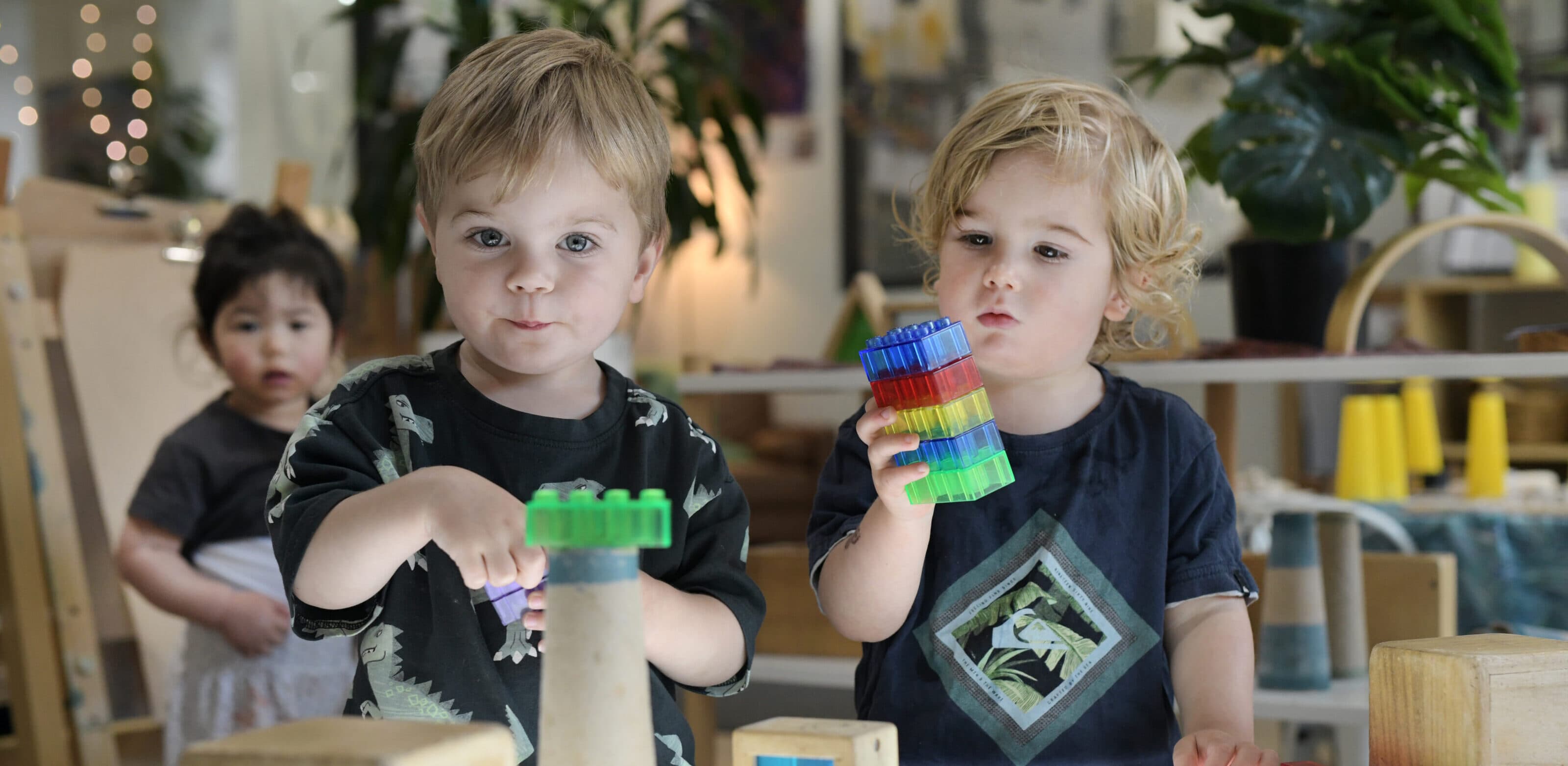
Construction play, while simple practice, is one of the most useful and important learning tools in Early Learning. Wondering what it is and how it works? Here is everything you need to know.
Construction play is one of those early learning experiences in which looks are incredibly deceiving. A handful of materials. A child on the floor. A structure slowly taking form. But beneath the surface, something much bigger is happening.
At its core, construction play is about possibility. It’s about giving children the freedom to test ideas, experiment with materials and build meaning through hands-on exploration. There are no instructions, no right or wrong outcomes, just curiosity leading the way.
One of the most well-known tools used in construction play is, of course, LEGO. In honour of World LEGO Day this year, we’ve decided to pay tribute to the art of construction play, breaking down how it works, what’s involved and how such simple materials can create a world of possibility, and learning opportunities, for children.
What Materials Are Used in Construction Play?
Construction play is at its most effective when supported using open-ended materials. Resources that don’t tell children what to make but instead invite them to decide.
These materials encourage experimentation, conversation and evolution, allowing children to mold their own learning journey as they go. While traditional tools like LEGO and wooden blocks remain staples for good reason, construction play doesn’t stop there.
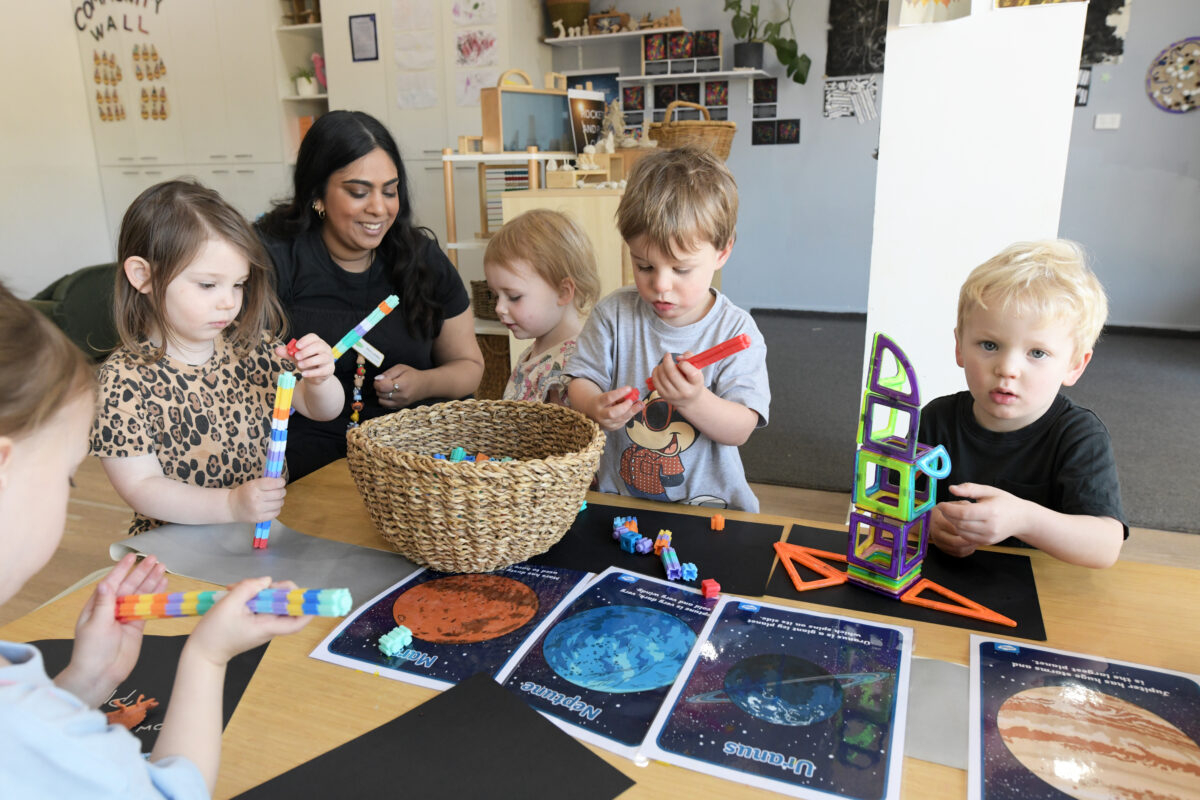
Loose parts and natural materials can be just as powerful, offering a more sustainable, affordable and imaginative approach to learning.
Common materials used in construction play include:
- Natural materials: Twigs, leaves, pebbles, pinecones, shells, seeds and smooth stones bring the outdoors in and connect children to nature.
- Recycled & repurposed items: Cardboard boxes, tubes, bottle caps and fabric scraps encourage resourcefulness and environmental awareness.
- Art & modelling materials: Clay, paint, chalk, paper and natural dyes support expression and hands-on exploration.
- Fabrics: Felt, silk, cotton, twine and chiffon add movement, softness and versatility to constructions.
Together, these materials create endless opportunities for children to build, rebuild and rethink.
How Does Construction Play Support Early Learning?
As children stack, balance and problem-solve, learning unfolds in real time. Numeracy concepts emerge naturally and organically, something that is crucial to Explorers and the Reggio Emilia Approach.
- Counting blocks builds number sense, while estimating how many pieces are needed sharpens prediction and reasoning skills.
- Measurement becomes tangible as children test ideas of tall, wide and long.
- Shapes are no longer abstract, they’re rotated, sorted and fitted together with purpose.
- Patterns form through colour and repetition, while spatial language like above, below and next to starts to click.
At the centre of it all is problem solving. Children test gravity, stability and cause-and-effect, learning through trial, error and persistence.
What Does Construction Play Look Like at Explorers?
At Explorers, construction play often begins with a moment of wonder. A Beach Kinder experience might spark conversations about texture as children explore sand, shells and water. A single found object can inspire an art experience or a collaborative project.
This explored and encouraged everyday within our Learning for Life Curriculum and Enrichment Program.
Natural materials are frequently combined with blocks, light tables and projectors, allowing children to explore light, shadow and scale while creating miniature worlds.
Guided by the Reggio Emilia Approach, children are empowered to be the protagonists of their own learning, constructing meaning through creativity, inquiry and exploration.
Sensory Stimulation
One of the most powerful aspects of construction play is its sensory richness. Different textures, smells and visual elements help children learn through their senses, skills that extend far beyond early childhood.
A simple piece of bark becomes an opportunity to explore roughness, weight and smell.
These sensory experiences build awareness, concentration and descriptive language, foundations that support learning in primary school and throughout life.
Early Numeracy Skills
Construction play quietly builds strong numeracy foundations. Whether stacking blocks, sorting stones or foraging for leaves, children are counting, comparing and estimating without even realising it.
These hands-on experiences make mathematical concepts meaningful, grounded in real-world play rather than abstract instruction.
Creativity and Storytelling
Because construction play is open-ended, children are free to experiment, imagine and lead their own discoveries. A wooden block might become a bridge, a tower or a character in an unfolding story.
Discover More: How (and Why) to Raise a Child Inventor
Children are natural storytellers, and construction play gives them the tools to bring those stories to life. Each creation becomes a catalyst for imagination, collaboration and creative expression.
Inquiry-Based Learning
Construction play is a natural gateway to inquiry-based learning. When children engage with different materials, questions emerge constantly: What happens if I add this? Why did it fall? How can I make it stronger?
At Explorers, materials like clay are often used to support conceptual learning frameworks. These experiences invite children to think deeply, explore ideas and revisit their thinking over time.
Educators document these moments, tracking problem-solving processes and measuring each child’s progression.
Building Foundations for Life
Construction play isn’t just about what children build, it’s about how they think, question and create along the way. Through open-ended materials and thoughtful environments, children develop confidence, resilience and a deep sense of curiosity about the world around them.
Discover More: Explorers Experience
If you’d like to see construction play in action, book a tour today and visit your local Explorers centre. Step inside our learning spaces and discover how big ideas begin with simple materials.