
4 June 2026
Social Readiness for School: Why Relationships and Connection Matter
When families think about school readiness, they often focus on practical skills, but one essential foundation is often overlooked: relationships.
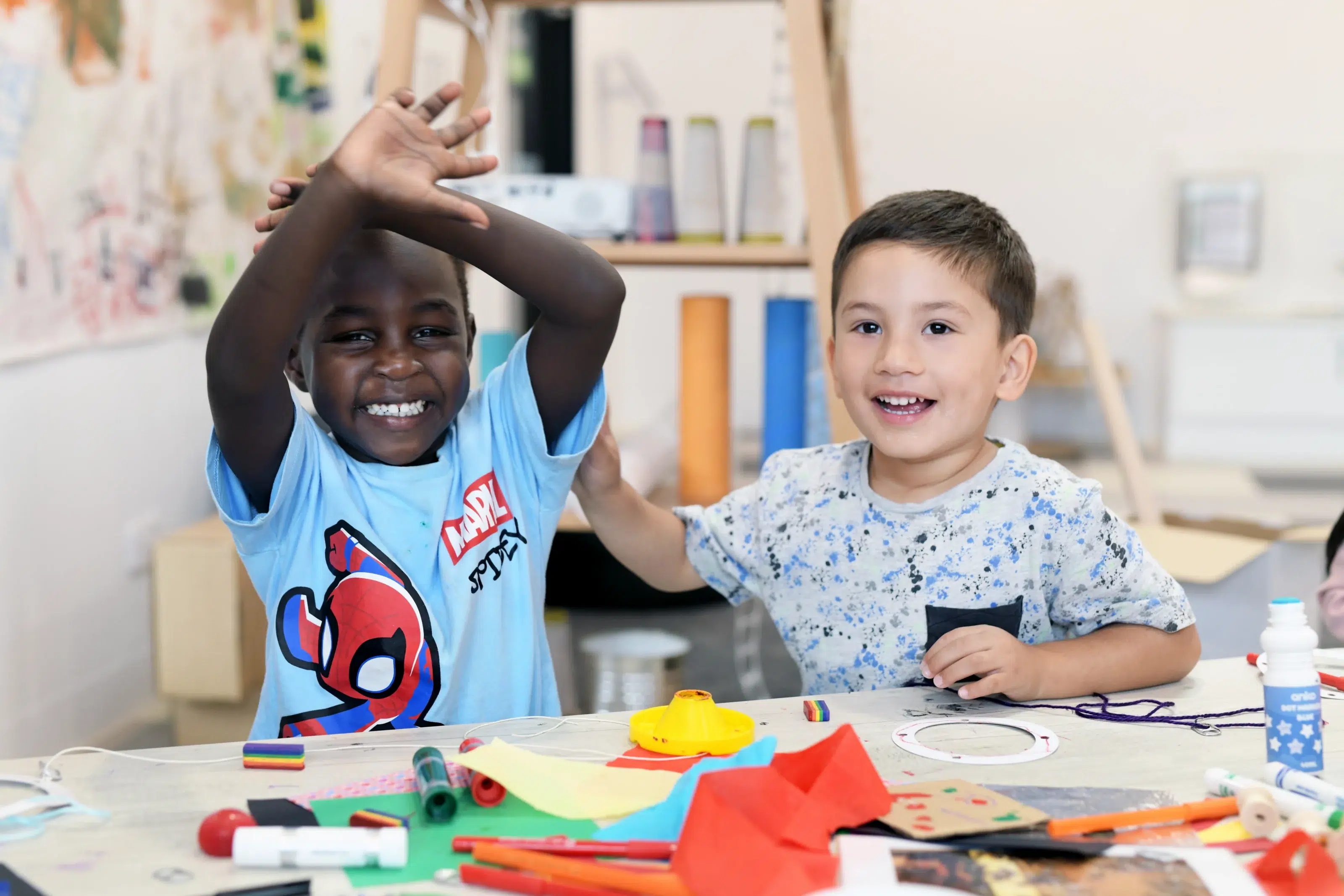
When families think about school readiness, they often picture practical skills: recognising letters, counting to ten, packing a lunchbox, or following instructions. While these abilities can certainly help children feel prepared, there’s one foundational piece that often gets overlooked: relationships.
Before a child can confidently learn, participate, and thrive in a classroom environment, they need to feel safe, connected, and understood. Relationships are at the heart of school readiness because connection creates the emotional security children need to explore, take risks, and adapt to change.
What is Social Readiness for School?
Social readiness for school is not about being the most confident child in the room, being naturally outgoing or having every social skill already mastered. It is about feeling safe and supported enough to connect with others, build relationships and begin finding a place within a learning community.
This includes a child’s growing ability to join group experiences, communicate with educators and peers, ask for help, share, take turns, listen to others, work through small conflicts and begin to understand how other people might feel.
Like all areas of school readiness, social readiness develops over time through warm relationships, play, everyday routines and meaningful opportunities to be part of a group.
Why Relationships Matter for School Readiness
Moving from kindergarten and into school is one of the biggest transitions in a young child’s life. Starting school often means entering a new environment, meeting unfamiliar adults, learning new routines and spending time with a larger group of peers. For children, relationships act as an anchor during this transition.
“Now that [children] feel safe, secure, comfortable, supported together, [they] can become more sophisticated in negotiation, debate, collaboration,” shares Margie Cohen, Head of Pedagogy at Explorers Early Learning.
“And it’s the playing alongside and noticing and that initial forming of friendships, feeling connected. We belong here together. You’re one of my people,” she adds.
Strong relationships help children to:
- Feel emotionally safe in unfamiliar environments
- Build trust with teachers and other adults
- Develop confidence to try new things
- Learn to regulate emotions during challenging moments
- Practise communication and cooperation skills
- Create a sense of belonging within the classroom community
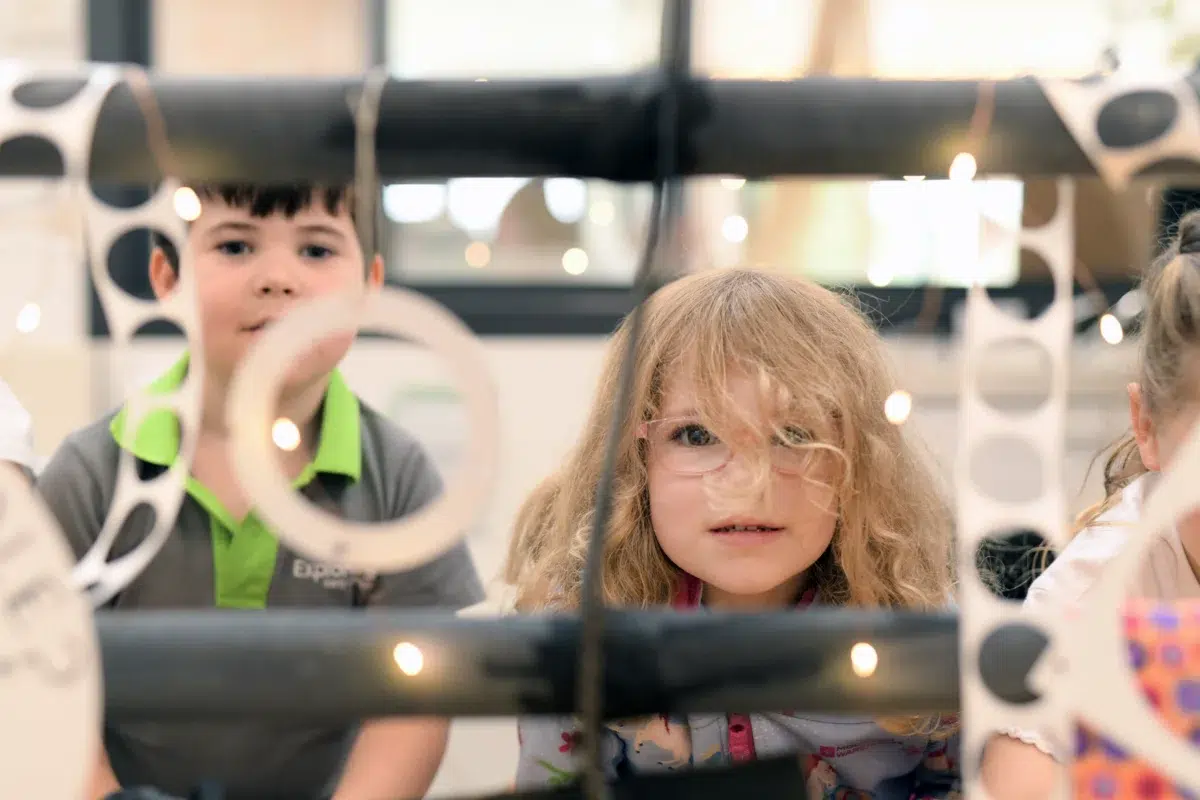
When children feel connected, their brains are more available for learning. When they feel anxious or disconnected, much of their energy goes toward seeking comfort or managing stress. Connection is not separate from learning; it is the foundation of it.
The Link Between Emotional Security and Learning
Research consistently shows that children learn best when they feel secure. Emotional safety helps children focus, concentrate, participate and take part in problem-solving and play.
A child who trusts their teacher is more likely to:
- Ask for help when needed
- Join in group activities
- Persist when tasks feel difficult
- Recover more quickly from setbacks
Similarly, positive peer relationships support learning in powerful ways. Through friendships and social interaction, children practise turn-taking, negotiation, empathy, and collaboration, all essential classroom skills. In many ways, social and emotional readiness begins with relationships.
Relationships Build Resilience
School won’t always feel easy. There may be moments of frustration, disappointment, or uncertainty. Children who have strong relationships with caregivers, educators, and peers are often more resilient because they know they have support when things feel hard.
These secure relationships help children:
- Bounce back after challenges
- Manage separation anxiety
- Navigate social conflicts
- Feel confident in unfamiliar situations
Resilience doesn’t come from removing every challenge. It grows when children face challenges while feeling supported and connected.
The Role of Educators in Building Connection
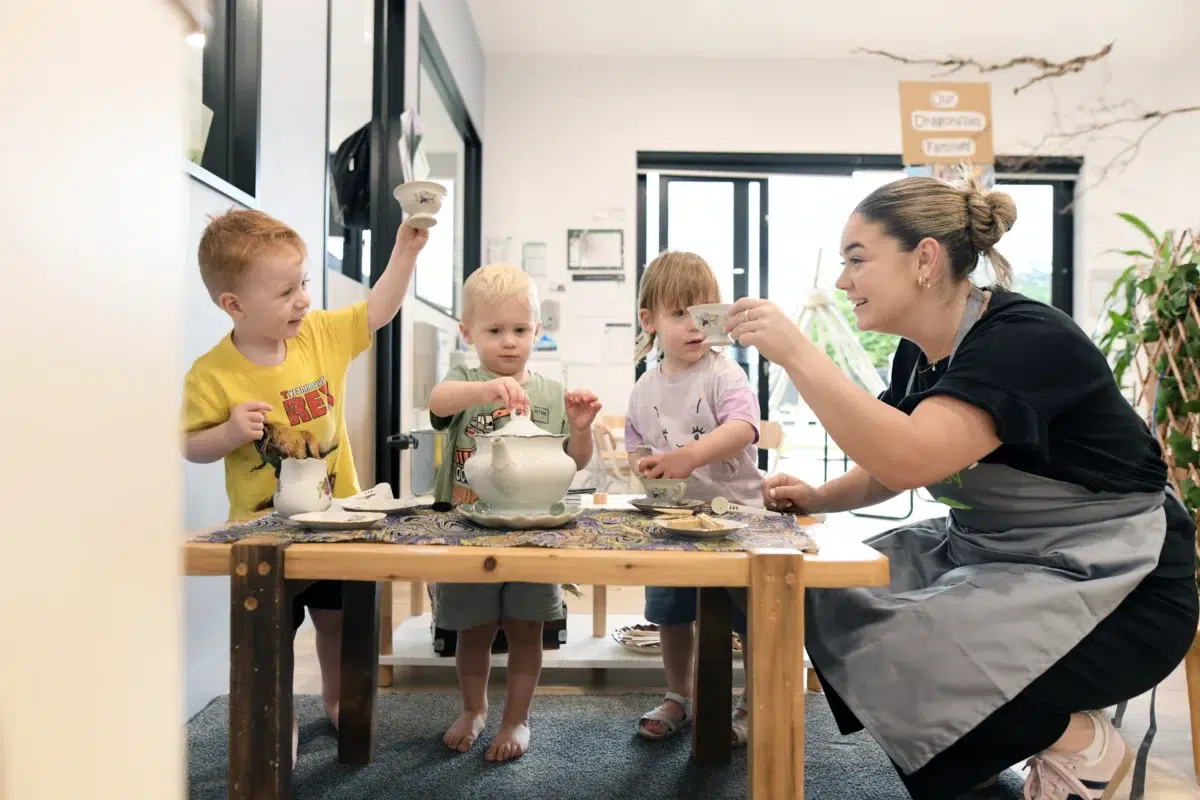
Teachers play a huge role in helping children feel safe and ready to learn. A warm greeting at the door, a comforting smile, or taking time to learn a child’s interests can make a significant difference in building trust.
Educators support relationships by:
- Creating welcoming classroom environments
- Encouraging inclusive play
- Teaching emotional literacy
- Helping children solve conflicts respectfully
- Building strong partnerships with families
When children see caregivers and teachers working together, it strengthens their sense of security and belonging.
How Kindergarten Helps Children Build Social Confidence
A high-quality kindergarten program gives children many opportunities to practise social confidence in ways that feel natural and supported. Through play, group learning, shared routines and educator guidance, children learn how to listen, contribute, negotiate, wait, wonder and belong.
In 3-year-old kindergarten, this might begin with feeling safe in a group and building early friendships. In 4-year-old kindergarten, children often build on these foundations through more collaborative projects, group discussions and transition-to-school experiences.
Connection Comes First
When we prioritise relationships, we help children build the confidence and emotional security they need to step into school ready to learn and grow. Academic skills matter, but they are only one part of school readiness. A child who can recognise letters but struggles with separation, communication or confidence in relationships, may find the transition harder than a child who feels socially and emotionally secure.
As you prepare your child for kinder or school, remember: readiness isn’t only about what they know, it’s about how connected they feel.
Because when children feel safe, seen, and supported, everything else can follow.
How Parents Can Support Relationship-Based School Readiness
The good news is that relationship-building starts long before the first day of kinder or school. Everyday interactions at home and in the community help children develop the social confidence they’ll need.
Here are some practical ways to strengthen relationships before school begins:
1. Build Secure Connections at Home
Children who experience warm, responsive relationships at home are more likely to feel confident building connections elsewhere. Simple ways to nurture connections include:
- Spending one-on-one time together
- Listening and responding to feelings
- Creating predictable routines
- Offering comfort during stressful moments
These experiences teach children that relationships are safe and reliable.
2. Practise Social Skills Through Play
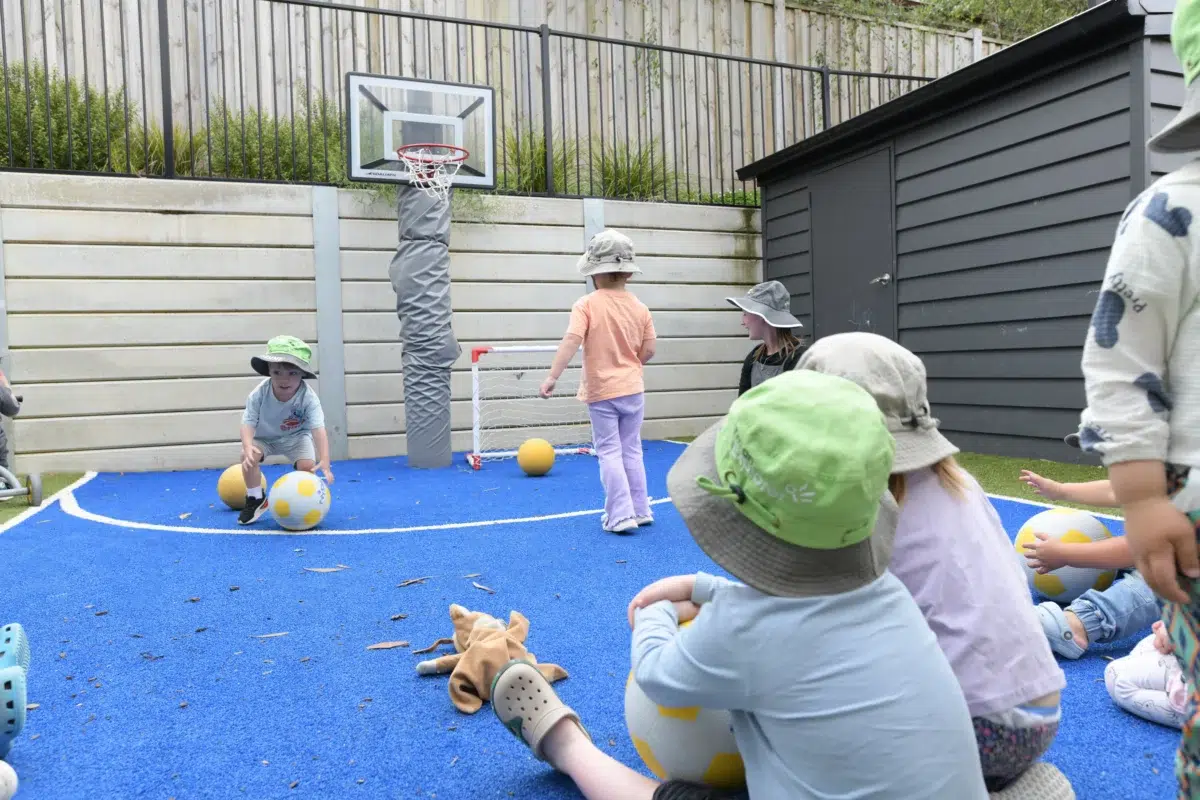
Play is one of the best ways for children to learn relationship skills. Through playdates, group activities, or family games, children can practise:
- Sharing
- Taking turns
- Solving small conflicts
- Reading social cues
These experiences make peer relationships easier to navigate later.
3. Talk Positively about Teachers and School
The way adults talk about school can shape a child’s expectations. Speaking about educators as kind, safe and helpful adults can support children to approach new relationships with confidence. You might say:
- “Your teacher will help you if you feel unsure.”
- “You’ll meet new friends to play and learn with.”
This can help children approach new relationships with confidence rather than fear.
4. Visit the School or Attend Orientation Events
Familiarity helps build comfort. Meeting teachers, seeing classrooms, and exploring the playground can make the environment feel less intimidating and provide early opportunities for connection. Even small moments of familiarity can ease first-day nerves.
5. Model Healthy Relationships
Children learn by watching the adults around them. When parents model kindness, empathy, communication, and respectful conflict resolution, children absorb these behaviours and use them in their own relationships.
How Explorers Supports Social Readiness
At Explorers Early Learning, relationships are at the heart of our approach. Educators take the time to know each child, understand their interests, support their emotions and create environments where children feel safe to participate. Inspired by the Reggio Emilia approach and guided by our Learning for Life curriculum, we see children as capable, connected and full of potential. Social readiness is nurtured through everyday moments of play, conversation, collaboration and care.
To see school readiness in action throughout the early years, book a tour at your local Explorers Early Learning centre today.
The Bigger Picture
As children prepare for kindergarten or school, readiness is not only about what they know. It is also about how safe, seen and supported they feel.
When children feel connected, they are more able to explore, take risks, build confidence and step into new experiences with a sense of belonging. Because when connection comes first, learning can follow.
Learn more about our kindergarten program, explore how we support school readiness, or book a tour at your nearest Explorers centre.