
11 June 2026
Emotional Readiness for School: Supporting Big Feelings and Big Transitions
Support your child’s transition to school by building emotional readiness and discover why this is one of the most important parts of the Explorers kindergarten curriculum.
Starting school is one of the biggest milestones in a child’s early years. While it is often framed around practical readiness, the emotional side of this transition is just as important.
Before a child can focus on learning, they need to feel safe, confident and connected. For many families, the lead-up to kindergarten or school can bring a mix of excitement and uncertainty. Children might be eager one moment and overwhelmed the next. That is completely normal.
Big transitions can bring big feelings. Supporting those emotions is one of the most powerful ways to help children feel ready for what comes next.
What is Emotional Readiness for School?
Emotional readiness for school is a child’s growing ability to understand feelings, accept support, cope with change and participate in a new environment with increasing confidence.
It does not mean a child never cries at drop-off, never feels nervous or always manages emotions calmly. It means they are developing the foundations to feel secure, ask for help, recover from hard moments and keep trying.
Why Emotional Readiness Matters
When we talk about school readiness, it is easy to focus on skills that can be measured. But emotional readiness, including resilience, confidence and regulation, is what helps children use those skills in a new environment.
- Separate from family members with support and growing confidence
- Build relationships with educators and peers
- Try new things and persist through challenges
- Express needs, ideas and feelings
- Recover after frustration, disappointment or overwhelm
These are not skills children simply have or do not have. They develop over time through consistent relationships, predictable routines and everyday opportunities to practise.
Understanding Big Feelings During Transitions
Transitions can feel big for young children because so much is changing. New environments, new people, new routines and new expectations can all take emotional energy.
You might notice clinginess, hesitation at drop-off, big emotional reactions, increased need for reassurance or changes in behaviour. Rather than signs that something is wrong, these can be signs that your child is processing change.e.
In her article “How can I help my BIG feeling child build resilience,” Gen Muir compares transitions to something much larger:
“In times of change we can often see kids pushed to their emotional limits.”
She shares that even older children can suddenly become overwhelmed during major transition reminds us that emotional responses aren’t about age or capability, but about adjustment.
What Emotional Readiness Can Look Like
Emotional readiness often shows up in small, everyday moments. A child might feel nervous and still walk through the door. They might ask an educator for help, join a familiar activity, take a breath after frustration or try again after something feels difficult.
- Naming feelings with support
- Accepting comfort from a trusted adult
- Beginning to use simple coping strategies
- Recovering after disappointment
- Asking for help when needed
- Trying something new even when it feels uncertain
How Families Can Support Emotional Readiness at Home
There are simple, everyday ways families can support emotional readiness in the lead-up to school.
1. Talk about what to expect
Children often feel more secure when they know what is coming. Talk about what a typical day might look like, such as arriving, meeting educators, playing, eating, resting and going home. Keep it positive, but honest.
If your child feels nervous, try naming it gently:
“It sounds like you are feeling unsure. That makes sense. New things can feel big.”
This helps children feel seen rather than dismissed.
2. Practise separation in small ways
If your child is not used to being away from you, short positive separations can help build confidence. Time with trusted family members, friends or familiar educators can reinforce the idea: I can be away, and I will be okay.
3. Create predictable routines
Consistency builds security. Morning and evening routines can help children feel grounded.
In the lead-up to school, small routines such as packing a bag, choosing clothes or reading together before bed can create a sense of rhythm and safety.
4. Name and validate feelings
Helping children put words to emotions is a powerful tool.
Instead of “Don’t be scared,” try “It looks like you are feeling nervous. I am here with you.”
This teaches children that emotions are safe to express and can be supported.
5. Encourage independence
Small opportunities for independence help children feel capable. Packing a bag, opening a lunchbox, putting on shoes or choosing between two options can build confidence without pressure.
It’s not about doing everything perfectly. It’s about giving children the opportunity to try.
The role of Relationships in Emotional Readiness
At the heart of emotional readiness is connection. Children thrive when they feel known by the adults around them. Strong relationships provide safety, belonging and reassurance, especially during times of change.
When children trust their educators, they are more willing to explore, ask for help, join group experiences and recover after challenges. This is why high-quality kindergarten programs place so much value on relationships, not only curriculum.
How Explorers Supports Emotional Readiness
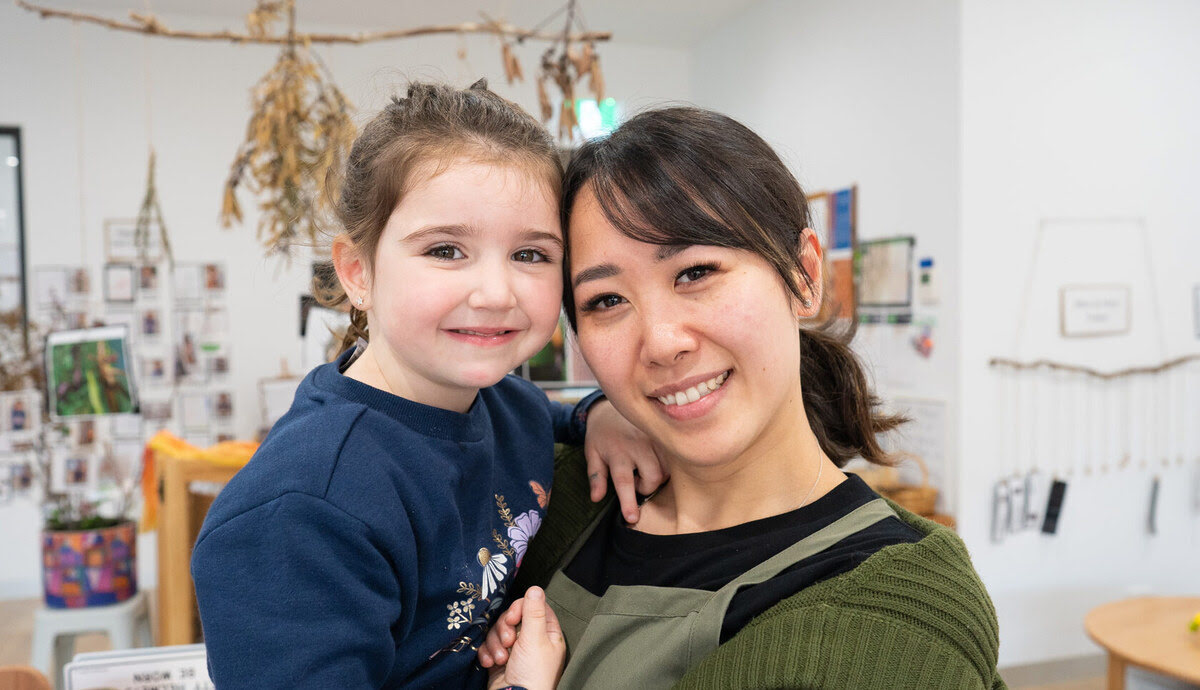
At Explorers Early Learning, emotional readiness is nurtured through warm relationships, calm routines, responsive educators and environments where children feel safe to be themselves.
Our educators support children to name feelings, build coping strategies, practise independence and feel connected to the people and places around them. Through our kindergarten program and Learning for Life curriculum, children are supported to build confidence gradually, in ways that feel gentle, playful and age-appropriate.
Supporting a Smooth Transition
The transition to school isn’t just one day, it’s a process that unfolds over time. Here’s how families can support it:
Before the first day:
- Visit the centre or school if possible
- Talk positively about the experience
- Read books about starting school
- Establish consistent routines
In the early weeks:
- Keep drop-offs calm and consistent
- Trust educators to support your child
- Allow time for adjustment (it’s okay if it takes a while)
- Stay connected: Talk about your child’s day in an open-ended way
Instead of asking: “Did you have a good day?” Try: “What was something that made you smile today?”
These types of questions encourage reflection and conversation.
When Big Feelings Show Up
Even with preparation, there will be moments when emotions feel big. That’s okay. What matters is how those moments are supported.
If your child is struggling:
- Stay calm and reassuring
- Acknowledge their feelings
- Keep goodbyes short and predictable
- Work in partnership with educators
Consistency between home and the learning environment makes a significant difference. Over time, as children build relationships and familiarity, those big feelings often soften.
Emotional Readiness – The Bigger Picture
It’s important to remember: emotional readiness isn’t about a perfect start. It’s about helping children build the confidence to navigate change, ask for help, recover from big feelings and feel secure enough to take the next step.
When children learn:
- “I can feel nervous and still try something new”
- “I can ask for help when I need it”
- “I can build relationships and feel a sense of belonging”
They’re developing capabilities that go far beyond the classroom.
Supporting Emotional Readiness at Explorers Early Learning
At Explorers Early Learning, we understand that preparing children for school goes far beyond academic skills. Our Kindergarten programs and Learning for Life curriculum are designed to nurture emotional readiness, supporting children to build strong relationships, develop confidence, and navigate big feelings with the guidance of experienced educators.
Through play-based learning, consistent routines, and a deep focus on connection, we create environments where children feel safe, capable, and ready to take their next step into school with confidence.
If you are preparing your child for kindergarten or school, our team is here to support you. Explore our kindergarten program, read more about school readiness, or find your nearest Explorers centre.