23 February 2026
What is the Early Years Learning Framework (EYLF)?
The Early Years Learning (EYLF) is a vital early education resource that all families should know about. Read on for our full breakdown.
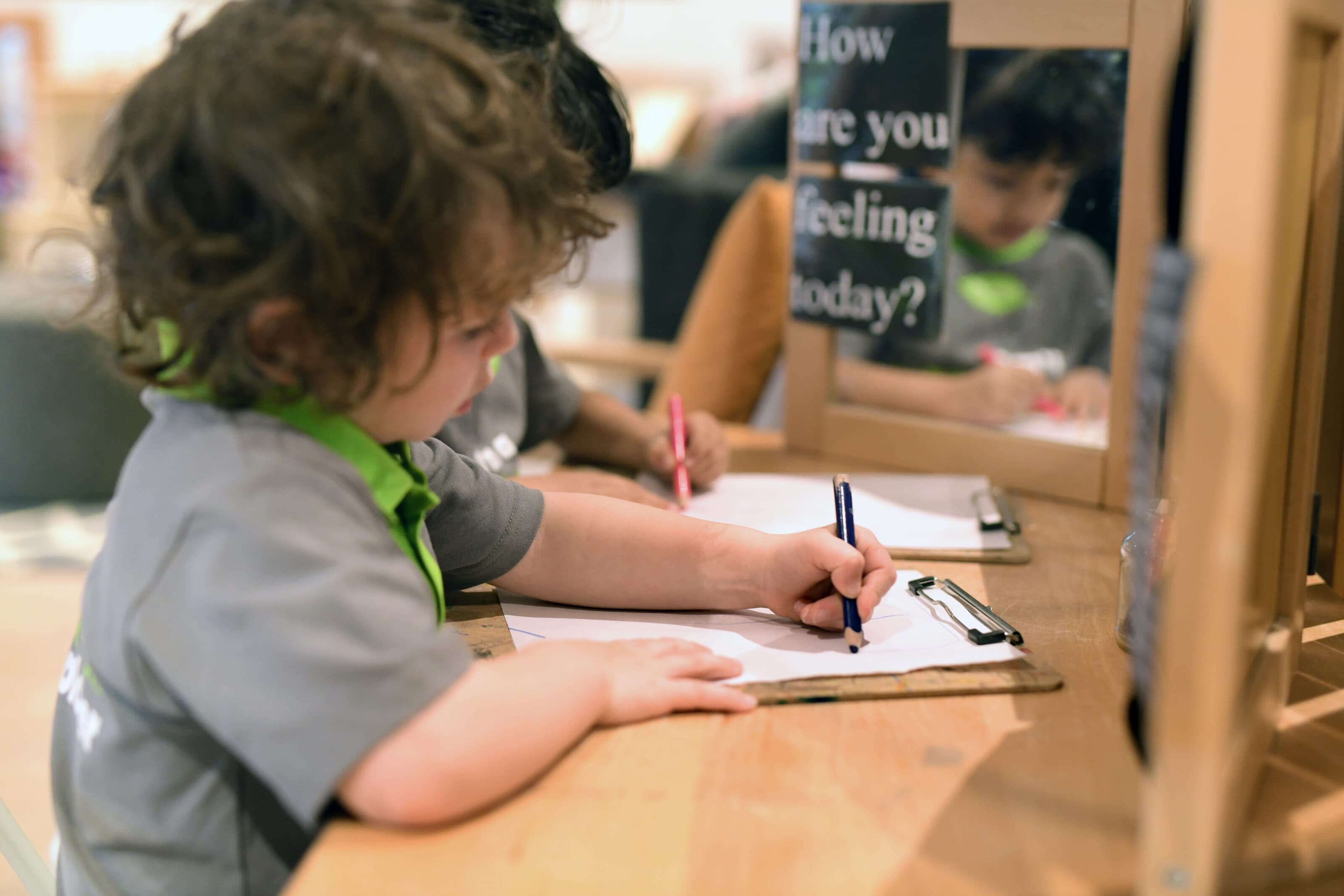
The Early Years Learning (EYLF) is a vital early education resource that all families should know about. Read on for our full breakdown of what it is and how it informs your children’s learning.
The early learning sector includes a lot of acronyms, frameworks and terminology that aren’t easily accessible to families or anyone else from the outside looking in. While some are less important than others, one tool that you’ll hear often within Australia is the Early Years Learning Framework (EYLF).
Aside from the Child Care Subsidy (CCS), the EYLF is the most important resource to know about when it comes to making an informed choice for your child and family.
But as a 70-page Government document, it’s not exactly a quick read. To save you time, we’ve broken down the EYLF to provide an insight into how it guides our Explorers curriculum from the nursery all the way up to those embarking on their primary school journey.
What is the Early Years Learning Framework?
The EYLF is Australia’s national framework that guides early education for children from birth to five years. It shapes how children learn, what they experience, and why play matters so much in the early years.
The framework identifies five learning outcomes for children that support children’s development and learning holistically.
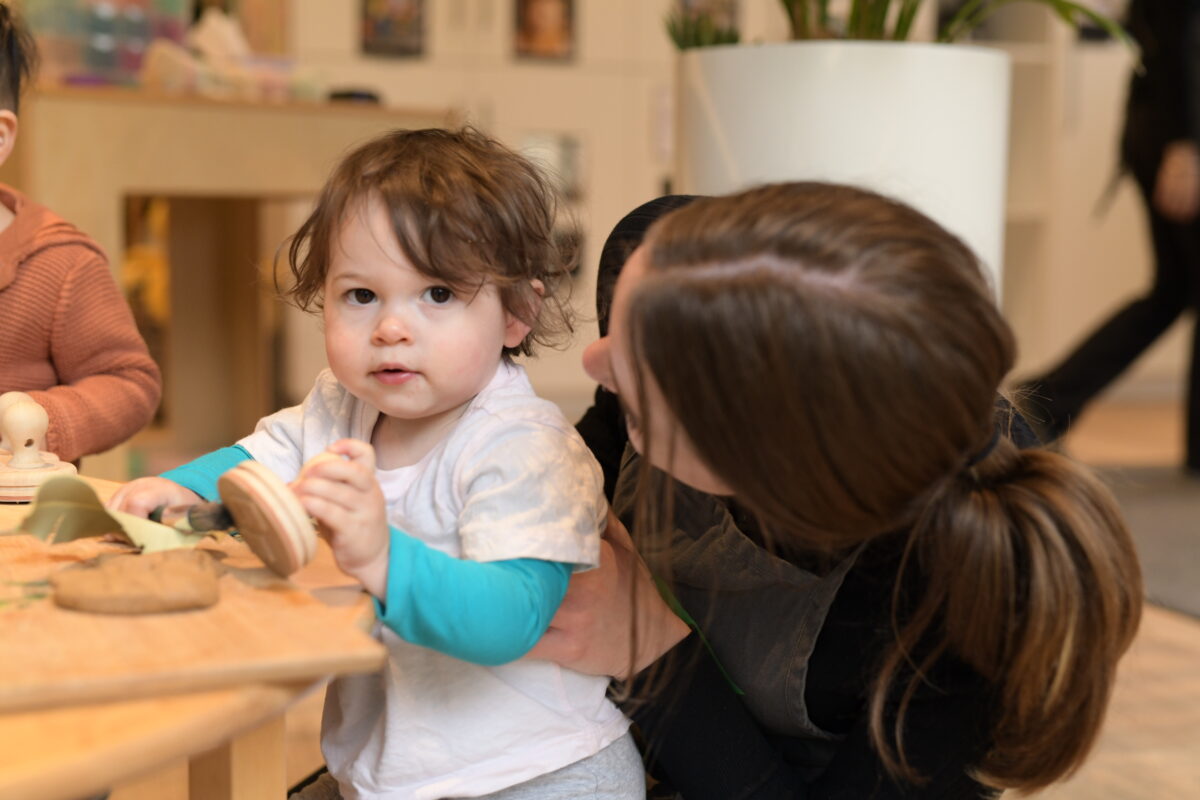
Outcome 1: Children have a strong sense of identity
This outcome focuses on children knowing who they are, feeling safe to be themselves, and building confidence in their place in the world. Children develop skills like:
- Confidence and self-belief
- Independence and resilience
- Positive relationships with educators and peers
- A sense of belonging and security
Outcome 2: Children are connected with and contribute to their world.
Children learn how they fit into their family, community and environment and that their actions matter. Children develop skills like:
- Empathy, kindness and respect for others
- Understanding fairness, diversity and inclusion
- Caring for the natural environment
- Working together and contributing to group experiences
Outcome 3: Children have a strong sense of wellbeing.
This outcome focuses on physical health, emotional wellbeing and feeling good in their bodies and minds. Children develop skills like:
- Emotional regulation and self-awareness
- Confidence to try new things
- Gross and fine motor skills
- Healthy habits around movement, rest and nutrition
Outcome 4: Children are confident and involved learners.
Learning isn’t about having the right answer, it’s about curiosity, problem-solving and giving things a go. Children develop skills like:
- Curiosity and creativity
- Persistence and problem-solving
- Focus and engagement
- Confidence to explore, experiment and take risks
Outcome 5: Children are effective communicators.
Children learn to express themselves, share ideas and connect with others in lots of different ways. They develop skills like:
- Language and early literacy skills
- Listening, understanding and turn-taking
- Expressing thoughts, feelings and ideas
- Using movement, art, play and technology to communicate
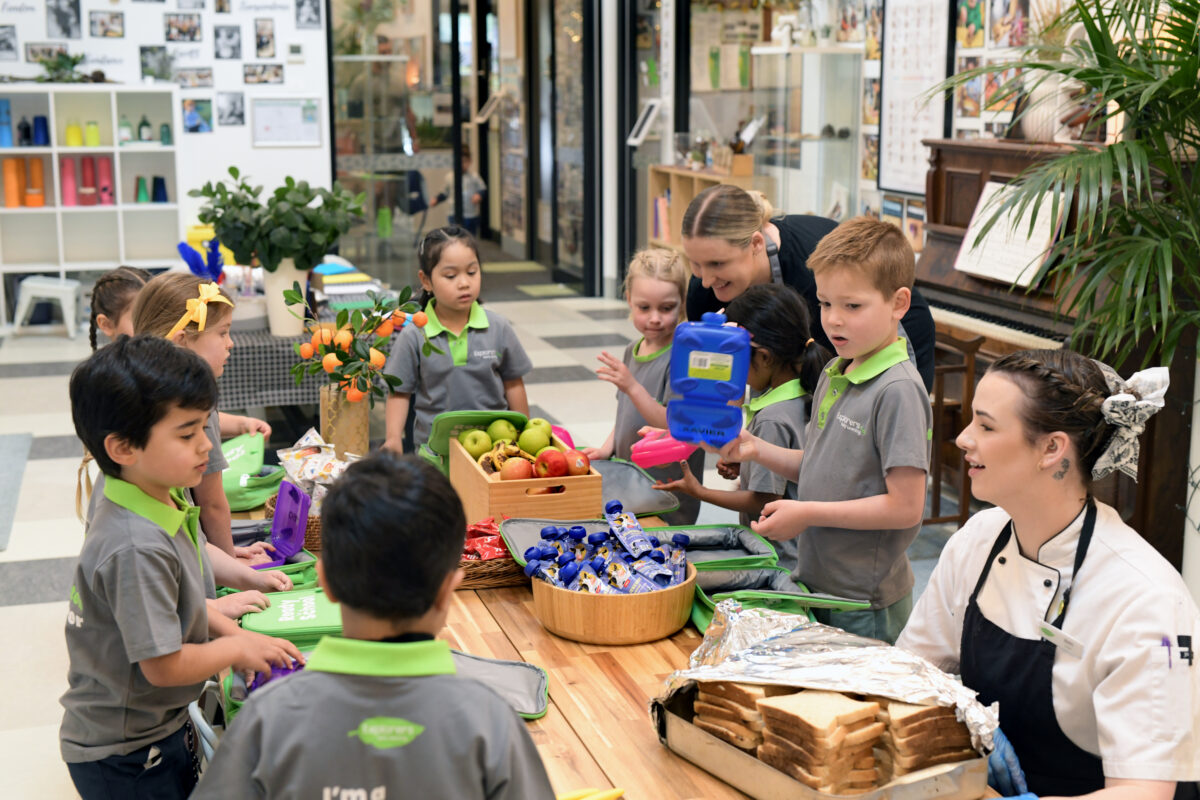
Three key principles form the foundation of the EYLF:
Being: the importance of children’s experiences in the present moment. Children learn through play, exploration, and communication. These experiences are essential to their overall development and can’t be overlooked.
Belonging: the need for children to feel connected to their family, community, and culture. When children feel a sense of belonging, they’re more likely to feel safe and supported in their educational environment. This principle recognises children as deeply influenced by their social and cultural context.
Becoming: children are constantly growing and changing. Children aren’t passive recipients of knowledge, but rather active participants in their own learning and development. This principle recognises that children are competent and independent learners – a fundamental concept to the Reggio Emilia approach to early education.
Victorian Early Years Learning Framework (VEYLF)
While the EYLF is a national framework for early childhood education and care, the Victorian Early Years Learning Framework (VEYLF) caters for Victorian children specifically. However, it’s still based on the EYLF and its core principles. The VEYLF also includes additional information and guidance on the learning and development of children from birth to eight years of age.
Although both frameworks share similar goals and outcomes, the VEYLF places greater emphasis on the development of children from birth to three years of age and focuses on cultural diversity, inclusion, and community engagement. Also, the VEYLF provides more specific guidance on how early childhood Educators can support children’s learning and development in Victoria’s cultural and social context.
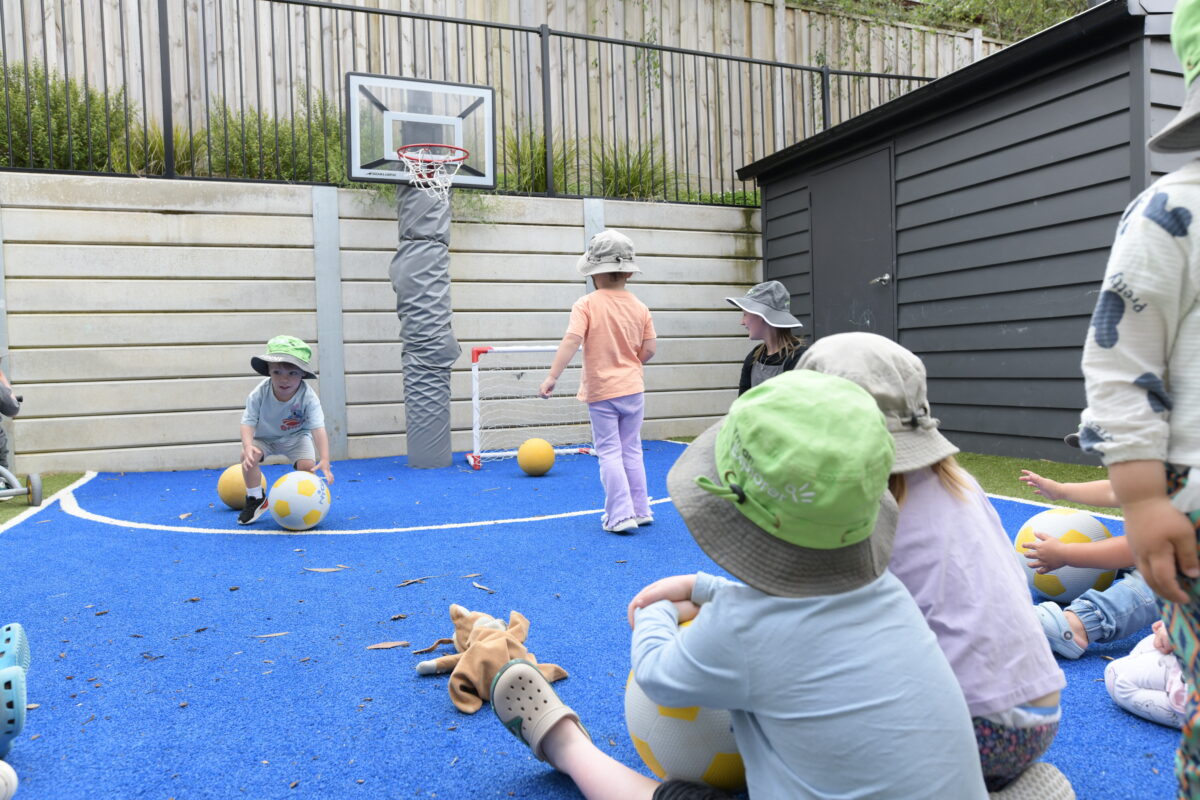
Explorers and the EYLF
The EYLF outlines a range of experiences and activities designed to support children’s education and growth across the five key outcomes. These experiences and activities are varied and may include music, art, outdoor play, and social interaction.
At Explorers, we embrace the power of experiences and actively embed them into our curriculum through our Enrichment Program. This Program focuses on five key areas:
- Visual Arts: Our program allows children to learn through creativity and build upon ideas and concepts.
- Language: Promotes communication skills and how to speak to peers, Educators and others.
- Physical Activity: Our outdoor program promotes children to be active and develop an understanding of how their body moves.
- School Readiness: Our Kindergarten Ready Program prepared children for their transition to school.
- Sustainability: Children are taught about nature, the environment and the importance of preserving the beauty of the world around us.
Moreover, we encourage project-based learning as part of our Reggio Emilia inspired curriculum. These projects often take the form of science and the arts to form a comprehensive STEAM (science, technology, engineering, arts and mathematics) learning experience.
Music, for example, helps children expand their language and communication skills, as well as their coordination and rhythm. Likewise, science and numeracy prepare children for their academic journey in primary school, secondary school and beyond.
Want to see the Early Years Learning Framework in action?
Book a tour of one of our beautiful centres or register your interest at Explorers Early Learning today.